
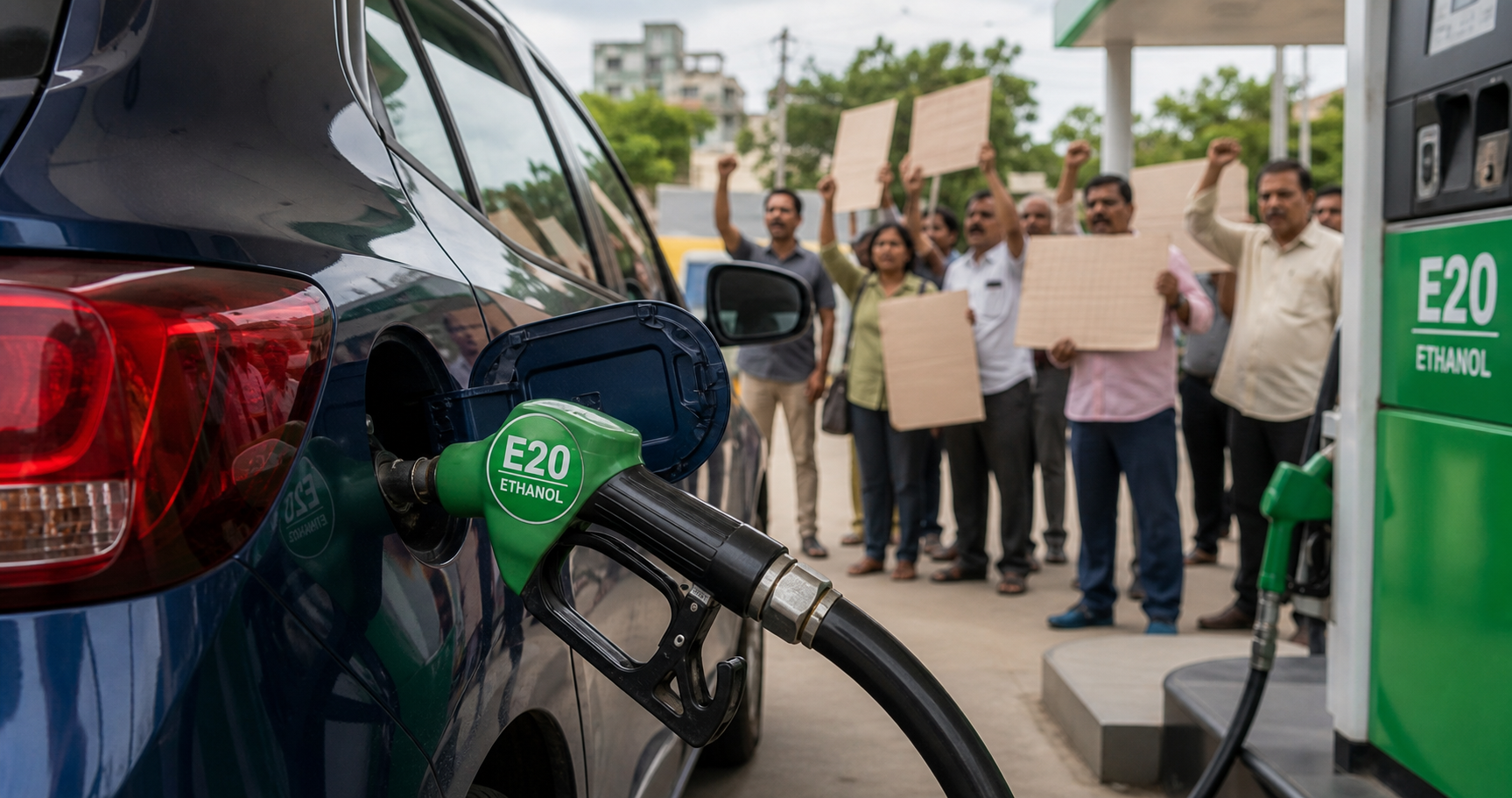
In the wake of the E20 ethanol fuel rollout, concerns have been raised regarding its impact on vehicle performance and the environment. This article delves into the technical effects on mileage and engines, the testing status for E25, the global usage of E20 and E25, and a comparison between protesters’ claims and official evidence and economics.
Key Takeaways
- The E20 ethanol fuel rollout has sparked protests amid concerns over its impact on vehicles.
- Assessing the technical effects of E20 on mileage and engines is crucial for understanding its implications.
- Testing for E25 is underway, signaling potential developments in the ethanol blending scenario.
- Global usage of E20 and E25 provides insights into the adoption of ethanol-based fuels.
- Comparing protesters’ claims with official evidence and economics can help evaluate the validity of opposition.
Technical Effects on Mileage and Engines
The transition to E20 ethanol fuel raises questions about its impact on mileage and engine performance. Manufacturers and experts are conducting tests to assess the efficiency of vehicles running on E20 and the potential adjustments needed for optimal performance.
Testing Status for E25
While E20 is currently in the spotlight, the automotive industry is also looking towards E25 as the next step in ethanol blending. Ongoing testing and research aim to determine the viability of E25 and its compatibility with existing vehicle models.
Global Usage of E20 and E25
Countries worldwide have been exploring the use of E20 and E25 as part of their sustainability initiatives. Understanding the experiences and outcomes of these ethanol blends on a global scale can provide valuable insights for policymakers and consumers.
Protesters’ Claims vs. Official Evidence and Economics
Protests against the E20 ethanol fuel rollout have drawn attention to concerns about its effects on vehicles and the environment. By comparing protesters’ claims with official evidence and economic analyses, a clearer picture can emerge regarding the potential benefits and drawbacks of adopting E20.
As discussions continue around the E20 ethanol fuel rollout and its implications, stakeholders are navigating the technical, environmental, and economic aspects to make informed decisions for the future of fuel consumption.